
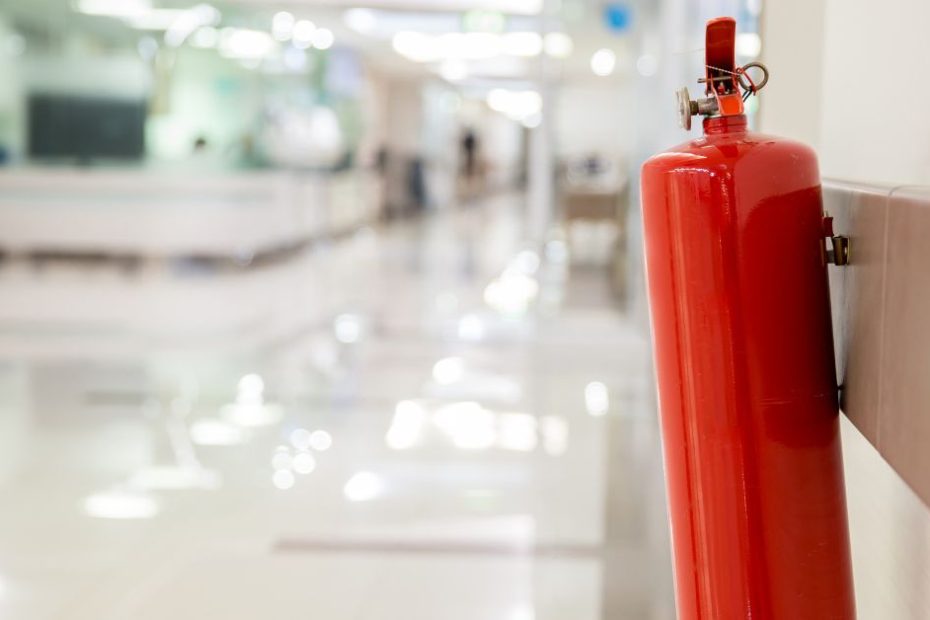
Fires are forces of destruction that bring damage and devastation. They consume everything in their path, destroy buildings and homes, and can even take human lives. But in hospitals, the risk of a fire is even more terrifying. Hospitals are places where sick and injured individuals seek care. Hundreds of people are in hospitals every day, and many of them are unable to evacuate quickly or move unaided. Were a fire to break out, the consequences could be catastrophic.
Luckily, there are ways to lower the risk and minimize the destruction caused by a fire. One of the most effective ways to do this is through proper fire safety training for hospital staff. Here’s why fire safety training is important for hospitals and how it can help save lives.
Why Hospital Fires are Different
Hospitals are unique environments when it comes to fire safety. For one, they’re at a much higher risk for fires than other buildings due to the presence of flammable substances, medical equipment, and high amounts of electricity. On top of that, many hospitals are older buildings that may not be up to modern fire safety standards. As a result, the potential for a fire to start and spread quickly is extremely high.
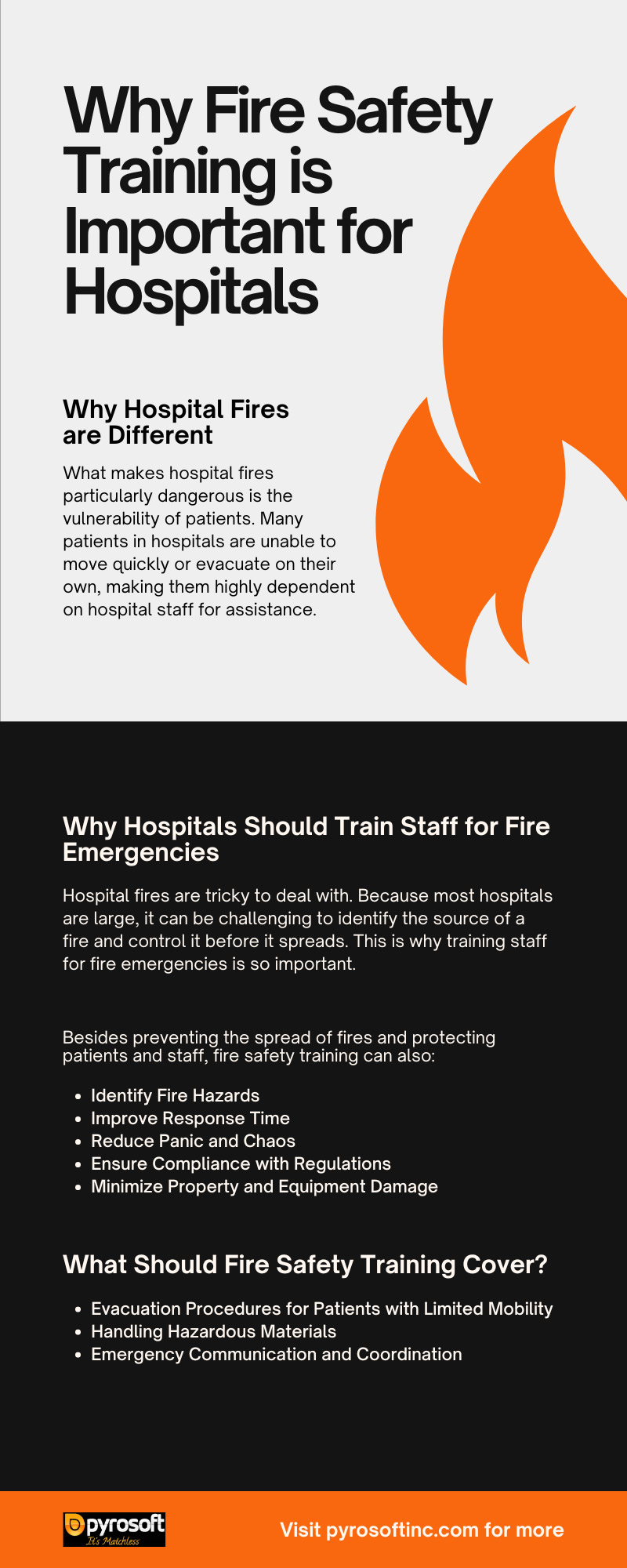
But what makes hospital fires particularly dangerous is the vulnerability of patients. Many patients in hospitals are unable to move quickly or evacuate on their own, making them highly dependent on hospital staff for assistance. In the event of a fire, the evacuation process can become chaotic and overwhelming, and without proper training, staff may not know how to handle such a crisis effectively. This can lead to delays in evacuation or even injuries and deaths.
Why Hospitals Should Train Staff for Fire Emergencies
Hospital fires are tricky to deal with. Because most hospitals are large, it can be challenging to identify the source of a fire and control it before it spreads. This is why training staff for fire emergencies is so important. Besides preventing the spread of fires and protecting patients and staff, fire safety training can also:
Identify Fire Hazards
Through fire safety training, hospital staff can learn how to identify potential fire hazards within their facility. This includes faulty electrical systems, overloaded power outlets, improper storage of flammable materials, and more. By being aware of these hazards, staff can take precautionary measures to prevent fires from occurring in the first place.
Improve Response Time
In an emergency, every second counts. Proper fire safety training can help hospital staff react quickly and efficiently in the event of a fire. They’ll know exactly what steps to take, where to go, and how to assist patients with limited mobility during evacuation.
Reduce Panic and Chaos
When a fire breaks out in a hospital, panic and chaos can ensue. But with proper training, staff will know how to remain calm and handle the situation with composure. They’ll also be able to guide and reassure patients during evacuation. This can help prevent injuries and promote a more orderly evacuation process.
Ensure Compliance with Regulations
Hospitals are subject to strict regulations and guidelines when it comes to fire safety. By training staff, hospitals can ensure they’re in compliance with these standards and avoid penalties or legal consequences.
Minimize Property and Equipment Damage
Human lives are more important than material possessions, but hospital equipment and property are also valuable assets that need protection. With proper fire safety training, staff can learn how to use fire extinguishers and other emergency equipment effectively. With this knowledge, they can quickly contain and extinguish small fires before they spread. This can save hospitals from costly damages and repairs and allow them to continue providing critical care to patients without disruption.
What Should Fire Safety Training Cover?
Having a well-developed fire safety training program ensures the safety of your hospital. To start, you should teach your staff the basics: how to identify potential fire hazards, the importance of fire safety protocols and procedures, and what to do in case of a fire emergency. These are standard fire safety measures that apply to any building. But there are also specific considerations for hospitals you should include in your training, such as:
Evacuation Procedures for Patients with Limited Mobility
Many patients in hospitals are unable to evacuate independently. So, your fire safety training should cover how to help and evacuate patients with limited mobility, such as patients confined to bed or those who use medical equipment.
Handling Hazardous Materials
Hospitals use various hazardous materials every day, such as chemicals for cleaning and disinfection. You should train your staff to handle these substances safely to prevent fires. They should also know how to respond in case of a chemical fire.
Emergency Communication and Coordination
Many hospitals are large and have multiple departments. In an emergency, effective communication and coordination between staff members is necessary for a successful response. Fire safety training should include protocols for communication and coordination during a fire emergency, including designated roles and responsibilities for different staff members. This can help ensure a more organized and efficient response to a fire.
Hospitals should also have plans in place for communicating with external emergency services, such as the fire department, to coordinate their efforts and ensure the safety of everyone involved.
Also, keep in mind fire safety training isn’t a one-time event. Conduct regular refresher courses to keep your staff up to date on protocols, procedures, and any changes in regulations.
Understanding why fire safety training is important for hospitals is a step toward a safer environment for everyone. With the right training, hospital staff can prevent small incidents from becoming major disasters.
Pyrosoft Inc.’s fire extinguisher simulators offer a practical and efficient way to prep your staff for a fire emergency. Our simulators are emissions-free, so you can hold training sessions indoors. They’re compact and portable so you can conduct large-scale training sessions in various locations throughout your hospital. And with lease, rent, and buy options, Pyrosoft Inc. offers flexibility to accommodate your budget and training needs. Protect your hospital and those who depend on it by investing in fire safety training for your staff today.
Pyrosoft Inc. offers healthcare-specific fire safety training solutions that account for patient mobility challenges, complex building layouts, and the 24/7 nature of hospital operations.
Browse Pyrosoft's fire training simulators - all models are emissions-free and safe to use indoors, including in sensitive medical environments.
For hospital networks training staff across multiple wings, floors, and departments, Pyrosoft's enterprise fire training platform provides the scale and reporting tools you need. enterprise fire training for hospitals
Hospitals on a tight budget can rent a simulator for targeted training cycles - no large capital outlay required. rent a simulator for hospital training
For ongoing annual compliance, lease a fire training simulator and build the cost predictably into your operational budget.
Pyrosoft provides dedicated training and support for healthcare organizations - including scenario design, JCAHO-aligned documentation, and staff progress tracking.
Share Pyrosoft's resource on the importance of fire training in healthcare with your accreditation officers and department heads.
Pyrosoft's custom hospital fire scenes feature lets you replicate your actual ICU, ER, or ward layout - making training directly relevant to your staff's daily environment.
This is exactly why fire training simulators are essential for healthcare - read the full breakdown of how simulation addresses hospital-specific fire risks.
For a broader overview of what fire safety compliance means across standards like NFPA and OSHA, read our compliance guide. JCAHO and NFPA fire safety compliance
To see how one healthcare facility applied these principles in practice, read our real-world healthcare fire preparedness case study from Ontario.